Tuesday, 20 September 2011

South Africa: the ultimate list of attractions

South Africa offers the visiting tourist a plethora of incredible sights and experiences like no other country on Earth. Through the struggles of slavery and apartheid, South Africa is now a thriving country that has moved on so much that the 2010 World Cup was held here. Perhaps you want to delve into the heady cities of Cape Town, Durban and Johannesburg which are teeming with history, culture, cuisine and shopping opportunities? Sightseeing and Activities Cape Town:

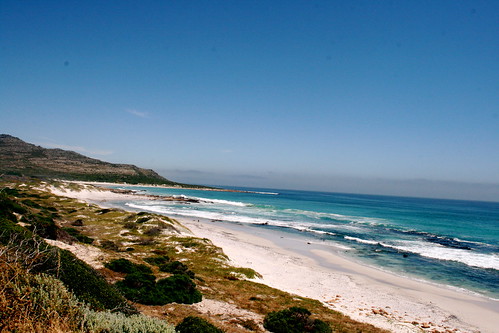
Many choose South Africa however to get amongst the countryside where some truly breathtaking scenery and opportunities await. Apart from the looming magnificence of Table Mountain, the famous ‘Garden Route’ for example ranks as one of the world’s great drives taking in safaris, immense coastal stretches, mountain ranges and natural brilliance, or you could merely venture out to the Western Cape to experience some of the greatest beaches known to man.
  • Table Mountain
  • Castle of Good Hope
  • Kirstenbosch Botanical Gardens
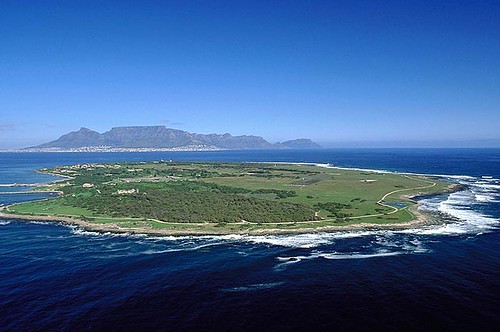
  • Robben Island Prison
  • Rhodes Memorial
  • South African Parliament
  • Two Oceans Aquarium
  • Victoria and Alfred Waterfront (shopping, restaurants, harbour tours, aquarium, Cape Town Marine Museum)
  • Bo-Kapp Museum
  • District Six Museum
  • Groot Constantia
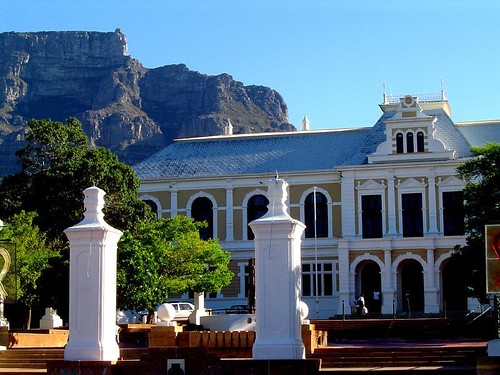
  • Slave Lodge Museum
  • South African Jewish Museum
  • South African National Gallery
  • Constantia Valley wine tours
Città del Capo, Sudafrica. Foto su Flickr di rembklyn
From Cape Town:
  • Boulders Beach (penguins)
  • Cape of Good Hope
  • Hout Bay
  • Chapman’s Peak (scenic drive)
  • Stellenbosch
  • Paarl and Franschoek wineries
  • Bontebok National Park
  • De Hoop Nature Reserve (bontebok and whale watching)
  • Overberg (whale watching)
  • The Garden Route (from Mossel Bay to Tsitskamma National Park)
Overberg, Western Cape, Sudafrica. Foto su Flickr di ruralmoviemakers

Johannesburg:
  • Soweto (township tours, theatres, markets, museums)
  • Top of Africa Tower
  • Johannesburg Planetarium
  • Military History Museum
  • Mandela Family Museum
  • Johannesburg Art Gallery, Apartheid Museum
  • Sci-Bono Discovery Centre
  • Museum of Transport
  • South African Museum of Rock Art
  • Botanical gardens
  • Constitution Hill Prison site
  • South African Lippzzaners Riding School
  • Lesedi Tribe Cultural Village
  • Lion Park
  • Montecasino Bird Gardens
  • Gold Reef City (theme park)
Graffitti a Johannesburg, Sudafrica. Foto su Flick di Playing For Change

From Johannesburg:
  • Pretoria
  • Sun City (golf courses)
  • Pilanesberg Game Reserve
  • Kromdraai Rhino and Lion Reserve
  • Cradle of Humankind (World Heritage Site, includes Sterkfontein Caves and Wonder Caves and is the site of some of the evidence of first instances of human life on Earth)
Mostra la Culla dell'Umanità, Sudafrica. Foto su Flickr di flowcomm

Pretoria:
  • Pretoria Botanical Gardens
  • National Zoological Gardens
  • Union Buildings
  • Wonderboom Nature Reserve
  • Correctional Services Museum
  • Melrose House Museum (where Anglo-Boer War agreement was signed)
  • National Cultural History Museum, Pioneer Museum
  • Transvall Museum (where Mr.Ples is displayed – one of the first discoveries of human existence)
  • Kruger House Museum, Freedom Park
  • Voortrekker Monument, theatres
  • Groenkloof Nature Reserve
  • Austin Roberts Bird Sanctuary
  • From Pretoria: Johannesburg (see above)
  • Mpummalanga Escarpment
  • Rietvlei Nature Reserve
  • Hartebeespoort Dam (balloon rides, cable car, golf course)
Giardini Botanici di Pretoria, Sudafrica. Foto su Flickr di Jonathan Gill

Bloemfontein:
  • Anglo-Boer War Museum
  • Boyden Observatory
  • Choet Visser Rugby Museum
  • National Botanical Garden
  • National Museum
  • Naval Hill and Franklin Game Reserve
  • Women’s Memorial
  • Presidency Museum
  • South African Armour Museum
  • Queens Fort Military Museum
  • Oliewenhuis Art Museum, waterfront (shopping, restaurants)
  • City Zoo
Boyden Observatory, vicino a Bloemfontein. Foto su Flickr di mauritsvw

From: Bloemfontein:
  • Graaf-Reinet and Mountain Zebra National Park
  • Thaba ‘Nchu (hotel complex, casino and Maria Moroka Nature Reserve)
  • Gauteng
Mountain Zebra National Park, Sudafrica. Foto su Flickr di Proteus 1945

Travelling to South Africa

Q: Why hire a car during your visit?
A: You have to; it’s as simple as that. Staying in the proximity of each city’s boundaries would simply be a crime given the multitude of truly incredible sights and experiences found within driving distance of each city. If you haven’t driven out into the countryside, seen the coast, taken in some of the Garden Route or been to a nature reserve, you haven’t truly experienced South Africa.  

Q: When’s the best time of year?
A: The short answer is anytime. A year-round warm climate is enjoyed in South Africa although there are times of the year that are busier from a tourist’s point of view than others. This busiest period for tourist attractions tends to be during South African school holidays, with Christmas to mid-January being particularly hectic. Mid-September to November and April through to May are ideal times to visit.

Monday, 4 July 2011

Excursions from Cape Town - final chapter

Here is our final Chapter to our guide to the South African coast...enjoy!

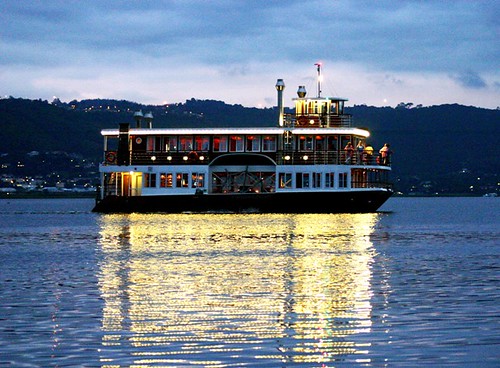
Back along the N2, Knysa is another worthy port of call. Known as the 'Pearl of the Garden Route' (because of the oyster fishing in the area), this small city combines a number of craft and gift shops with a plethora of outdoor pursuits and activities. Many people who hire a car head to the Knysa Forest, simply to relax amongst the greenery, serene water streams or go on one of the walking trails. The surrounding forestry is also home to the Knysa Elephants. A truly one-off experience can be had by hiring a houseboat at Knysa to stay on the lagoon for the night (home to the rare Knysa Sea Horse), or if only visiting for the day; tours of the lagoon are a popular option. As well as these trappings, the city offers numerous whale watching tours.

Knysa

Knysa

Knysa boat

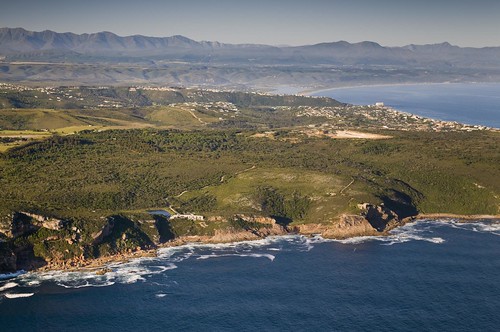
Just a few kilometres from Knysa is the luxurious settlement of Plettenberg Bay, or 'Plett' as the locals call it. The bay is renowned in Africa as being a destination favoured by the rich and wealthy. The sumptuous surroundings of Plettenberg are marked by the red sandrocks that rise from the two rivers and Indian Ocean and also the stunning white beaches. Should you be feeling energetic, there are many water sports to pursue and if you haven't already; take one of the whale watching and dolphin tours available.
As you near the climax of this incredible journey, the Garden Route arguably saves the best until the end - the 65km long Tsitsikamma National Park. On arrival, you are able to book a boat trip to explore the spectacular canyon within the park. You will notice on the boat trip that much of the water is black in colour owing to mineral deposits, which merely adds to the colourful effects already created by the tropical plants and green ferns. Hiking is also massively popular at Tsitsikamma, with many trails on offer. Cross the 'Hanging Bridge' trail across the river, or go on the Otter Trail, which enables you to see the Cape Clawless Otters in their natural habitat. Walking trails are also available up the Tsitsikamma mountain range for enthusiastic walkers, with effort rewarded by the incredible views over this amazing landscape. Other outdoor pursuits include paragliding, hand gliding, mountain biking, abseiling and even bungee jumping! Golfers are also well served by the handful of courses within the park's limits.
Plettenberg Bay, South Africa

Plettenberg Park Hotel, Plettenberg Bay, South Africa

Tsitsikamma National Park

Book a car in South Africa with Traveljigsaw: we offer cheap car rental to more than 6 000 locations worldwide.

Friday, 1 July 2011

Excursions from Cape Town - The Garden Route part II

We left you on the Garden Route, gazing at the marvels of the Outeniqua Nature Reserve.

Here is the rest of our Guide for one of the most scenic routes in the world...

A short drive from George and back on the N2 coastal road will bring you to the formidable Wilderness National Park. This captivating landscape incorporates wonderfully lush forests, dominant mountain ranges and beautiful lakes, rivers and estuaries - not to mention beaches and an unparalleled amount of outdoor pursuits! Whale and dolphin watching tours are available from Dolphin Point as well as abseiling, paragliding, boating, fishing and hiking! For those looking to exert a little less energy, consider taking a walk along the numerous beautiful walking trails or camp in one of the riverside log cabins situated throughout the park.

Dolphins Point

Knysna turaco (Tauraco corythaix)

The beauty of the landscape is unrelenting, with the pretty seaside village of Sedgefield being no exception. The village is surrounded by incredible lakes and offers a number of water sports. The village also offers a haven for visitors to take a tranquil walk along its peaceful waterfronts. The village sits alongside the Swartvlei Estuary and also borders the activity and sightseeing rich Goukamma Nature Reserve. Goukamma is in possession of an extensively long, serene beach and offers ample opportunity to see many different animal species thanks to its diverse habitat, with grysbok, vervet monkeys, otters and over 220 species of bird calling the reserve home. Goukamma Nature Reserve also boasts a large marine protected area, habitat to common and bottlenose dolphins.


On Earth as it is in Heaven (II)

Traveljigsaw brings cheap car rental services to more than 6 000 locations worldwide, and South Africa is no exception. For more information visit our page about car rental South Africa.

Thursday, 30 June 2011

Excursions from Cape Town - The Garden Route!

Here is part three of our never ending travel guide for the Southern coast!

Enjoy!


The Garden Route

Just over 200 miles from Cape Town, The Garden Route is without doubt one of South Africa's most important tourist attractions, second only in popularity with travellers to the country’s capital city. The 500 mile stretch of road along the south-west cape takes in indigenous forests, freshwater lakes, wetlands, hidden coves, long beaches and more. It also offers visitors a multitude of activities to explore along the way including mountain climbing/biking, cave exploring, paragliding and whale watching.

>Gondwana Game Reserve, Mossel Bay, South Africa

If travelling from Cape Town, a suggested starting point is at the historical capital of the Garden Route, Mossel Bay on the main N2 coastal road. A popular, yet refined coastal holiday destination, the bay combines cultural history with a rich natural beauty. It was in Mossel Bay where modern Europeans first set foot on African soil, leading to a turbulent ten year period of conflict and unrest. Nowadays the bay offers a peaceful and wondrous tranquillity as the warm Indian Ocean calmly trickles on to its sandy beaches that travel into the horizon.

Whale watching tours commence from mid-June until late November, with windsurfing and other water sports also popular. A relaxing way to enjoy the bay can be spent by taking a boat ride out to the seal island by the harbour or simply by walking along the beautiful beaches, with the temperature still reaching over 20c in the winter. Take time out to visit the Maritime Museum, which documents Mossel Bay's noteworthy marine history and visit the nearby aquarium. Shopping is also a recommended pastime in Mossel Bay, particularly the market at Hartenbos Beach, which offers locally produced crafts, foods and wine.

Many who take in the Garden Route simply travel along the scenic N2 road and the many idyllic spots along the way, but a highly recommended detour is found off the N2 and up the N12 to the Cango Caves. The Cango Caves are undoubtedly one of the most incredible natural phenomenons in South Africa. The dripstone caves are punctuated by a variety of stalactites and stalagmites, with only three of the five caves discovered open to the public. Guided tours are on hand to help you get the most out of these incredible natural wonders.

Return to the Cango Caves ::HDR::

Before rejoining the N2, consider a stop at George - the biggest town on the Garden Route, which is framed by the dominant Outeniqua Mountains in the backdrop. Victoria Bay within George is a surfer’s paradise, whilst for those interested in something a little less strenuous, there are plenty of historic sites to see such as St. Mark's Cathedral, the Edwardian Old Library and the Old Slave Tree, which marks the spot where slaves used to be sold in the town. The oppression of slavery is marked on the tree by a large chain and lock to serve as a powerful reminder of a darker era in South Africa's history. Another notable visit is that to the Outeniqua Transport Museum, which contains a replica of an old train station and includes steam engines and old motor vehicles from the past. Of all the things to do in George, the Outeniqua Choo Tjoe Train is an absolute must. This wonderful steam engine takes you on the picturesque route between George and nearby Knysa. Should you wish to extend your stay in George to over a day, go hiking on a walking trail in Outeniqua Nature Reserve or for a round of golf, with many high quality resorts and short courses situated locally.

Outeniqua Choo-Tjoe ( South Africa) : Old romantic steamlocomotive on bridge along the Indian Ocean

Mossel Bay

Mossel Bay

>Bird of Paradise - George, South Africa

For more information about cheap car rental, check out our car rental South Africa page!

Wednesday, 29 June 2011

Excursions from Cape Town (part II)

Our road trip goes on!

The South East Coast

Just two hours drive from Cape Town are the Bontebok National Park and the De Hoop Nature Reserve, where you will be able to partake in some whale watching and of course bontebok.

on the road in Bontebock NP

Bontebok National Park is found 6km from the town of Swellendam along the N2 highway, which clearly signposts the park for the majority of the route. Once at the park, you can either drive around the designated gravel routes or go on a walking trail. Here you will find around 300 of the rare Bontebok in the park. Before the park was opened, only 17 remained alive due to over-hunting. Now there are around 3000 on the planet thanks to the work that has been done by the park to keep them from extinction. Bonteboks aren’t the only creatures here of course. The park also boasts red hartebeests, mountain zebras and antelopes as well as a variety of birdlife, with more than 200 different species calling the park.


De Hoop Nature Reserve nearby – although small in size compared to many reserves – is home to some incredibly rare animals and is worth the two hour drive from Cape Town alone to go whale watching. The Southern Right Whales pass through here during the watching season (July to December), with ten or more whales sometimes viewable as you stand on the beach within the reserve. De Hoop is also home to big herds of Bontebok as well as elands, antelopes, baboons and a large number of birds. There are also a number of reptiles such as tortoises and snakes and should you be remarkably lucky, you may spot the occasional leopard!

De Hoop Nature Reserve - Southern Cape - South Africa

Traveljigsaw provides cheap car rental in more than 6 000 locations worldwide!

For more information about South Africa, check out our page about car rental South Africa!

We leave you with some more stunning pictures...

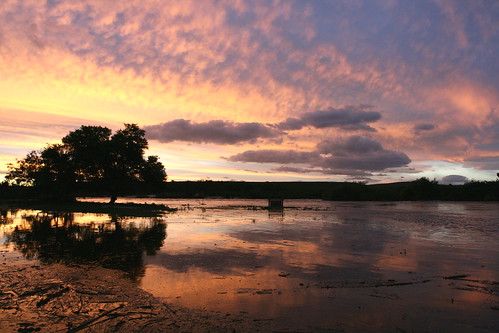
Sunset 2, Bontebok National Park

Red Hartebeest

De Hoop

Bontebok @ De Hoop Nature Reserve, South Africa

Tuesday, 28 June 2011

Excursions from Cape Town (part I)

The car is truly the star when visiting Cape Town, simply because of the wonder that surrounds, with two of the world’s greatest drives literally on your doorstep. Here is your guide to the points of interest outside of Cape Town no visit should go without:

Cape Peninsula and Cape Point


The Cape Peninsula runs from the most southern tip of South Africa at Cape Point to Cape Town itself in the north across 70km. The route you will take brings in some of the most formidable scenery in the continent – if not the world. Here you will experience awesome beaches, magnificent mountain ranges and beautiful forests capped off with an unforgettable view across the ocean as you stand at Cape Point.

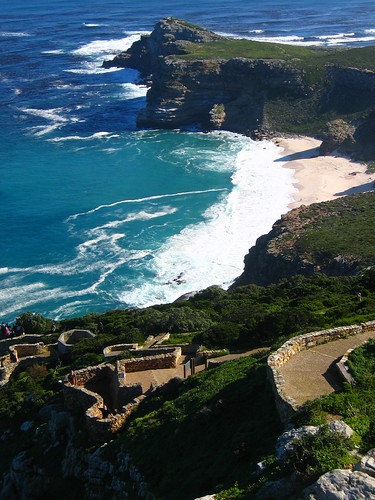
Cape Point

Your journey will begin as you take the relaxing drive along the Atlantic and through Sea Point, Clifton, Camps Bay and Hout Bay, until reaching the main M6 road. Consider taking a stop for something to eat at Chapman’s Peak to look out at the diverse territory ahead or at the beautiful Noordhoek Beach with its untainted 6km stretch of pure white sand.

Noordhoek Beach

After Noordhoek Beach, head for the M65, which takes in the charming village of Kommetije and the quaint Kommetije Bay. A rewarding walk along Lighthouse Road can be had which takes you to Snake’s Head Point Lighthouse (South African’s second most powerful), which sits majestically above the ocean.

kommetjie- western beaches!  (and home for two nights)

Take your sweet time in this beautiful seaside town where you will find some lovely small seafood restaurants should you want a bite to eat. When low tide is in, go and obtain a mussel permit from the post office and collect some fresh in from the Atlantic.

Your first true ‘attraction’ can be found as you head towards the Peninsula’s tip where you will pick up signs for the Cape of Good Hope Nature Reserve. This is a ‘must-do’ activity on any itinerary. The reserve is home to many animals including springboks, zebras, baboons, elands and also endangered plant species such as the extremely rare Fynbos. The reserve is also home to many bird species also and if lucky, you may spot the famous African Fish Eagles native to these parts. If you are feeling energetic, go on one of the scenic hiking trails, which truly uncovers the heart of this natural paradise. The Thomas Tucker Shipwreck Walk is particularly excellent, taking you along the coast to a boat shipwrecked in 1942 carrying military supplies to other parts of Africa.

Cape Point’s tip at Cape Maclear is next, with its name living up to its nature thanks to the awesome views across False Bay and the Atlantic Ocean. The cliffs upon which you gaze out from are among some of the highest in the world. The Two Oceans restaurant here is an ideal spot to sit down for a meal if you haven’t done so already.

This incredible journey continues as you head for the eastern side of the Peninsula at Boulders Beach, where you will see the famous colony of African Penguins congregating en-masse at the cliff edge and in the water.

The historic settlement of Simon’s Town draws you closer to Cape Town, where you will find the 200 year old navy base and South African Naval Museum. The town is a worthwhile stopping point if looking to do a spot of shopping with a number of craft stores on hand to provide you with the ideal momento of this journey.

Are you looking for cheap car rental for your journey? Visit our website!

Cape Point

Stunning views...


Thursday, 23 June 2011

Visiting Cape Town: a travel guide, part II

The second part of our Cape Town guide...

Let's go straight to the list!

South African Museum and Planetarium

The South African Museum and Planetarium ranks as South Africa’s oldest, founded back in 1825. The museum boasts an interesting collection of artifacts documenting South Africa’s colourful history. Included are the Lydenburg Head sculptures which date back to around 500 A.D. The hollow terracotta sculptures are amongst some of the earliest examples of African art, likewise the collection of San Rock paintings. On the natural history side of the museum, expect to see some truly fascinating exhibits including the fossil gallery, which prove life existed in Africa over 300 million years ago. Two huge whale skeletons hung from the roof are simply astounding, likewise the stuffed example of now extinct animals such as the Kwagga – a relative of the zebra.

South African National Gallery

Although rather small compared to some countries’ national galleries, the South African National Gallery is considered by many to be the best in the country, due to the amount of fantastic works which perfectly encapsulate South Africa’s often troubled and painful history. Expect to see items such as Ndebele beads and Knobkierries (wooden weapons) belonging to warriors as well as an exhibition which demonstrates the influence African art had on Picasso through several pieces of his work. One of the more intriguing exhibitions is that which tells of the ongoing problems and history South Africa has had to endure through the HIV and AIDS virus’s through an eye-opening photographic retrospective.

Mueseum Cape Town

Table Mountain

This enormous flat topped mountain of sandstone, granite and shale rose from the ocean over 250 million years ago and is without question Cape Town’s most distinctive, if not defining landmark. The 14,820 acre mountain was recently incorporated into the Cape Peninsula Mountain Park and can be ascended via cable car or by foot. Maclear’s Beacon is Table Mountain’s highest point, with the cable car leaving you to the western edge of the peak where you will also find a restaurant. Here you are able to view the ‘Twelve Apostles’ mountain peaks in the distance, the ‘back table’ of the mountain and the reservoirs that supply water to Cape Town.

Table Mountain is a 50 minutes drive from Cape Town city centre. Why not drive yourself?

More info about our car rental South Africa on our website!


Table Mountain. Photo @FromJoanne on Flickr

Table Mountain

Wednesday, 22 June 2011

Visiting Cape Town: a complete travel guide

What's to see in Cape Town?

The city boasts attractions for every kind of tourists. We tried our best to put all of them together - this is the first part of a travel guide that still hasn't been completed yet!

1) Kirstenbosch Botanical Gardens

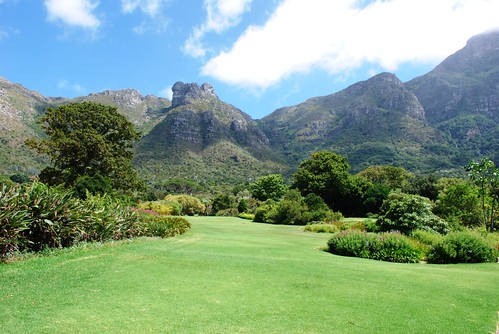
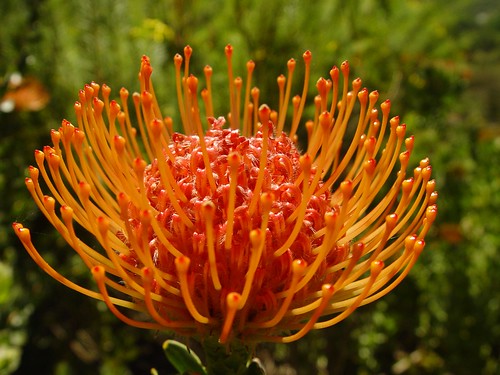
Found on the eastern slopes of Table Mountain, Kirstenbosch is one of Cape Town’s most visited attractions. These stunning gardens are characterised by sprawling lawns, beautiful streams and a seemingly endless amount of plant species (more than 22,000 different species in fact) including the rare fynbos plant and a giant baobab tree. To get the best out of a visit to the gardens, simply take one of the numerous designated walks. The gardens also have great dining facilities thanks to the Silver Tree restaurant, which serves a la carte meals.

Kirstenbosch Botanical Gardens Cape Town

2) Castle of Good Hope

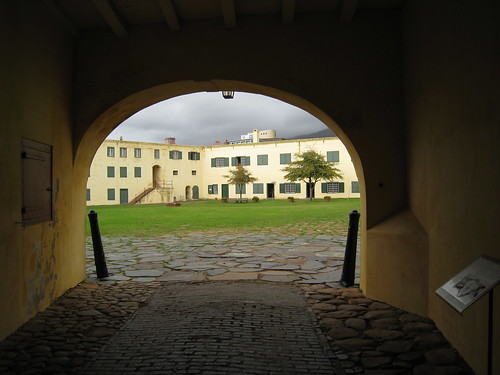
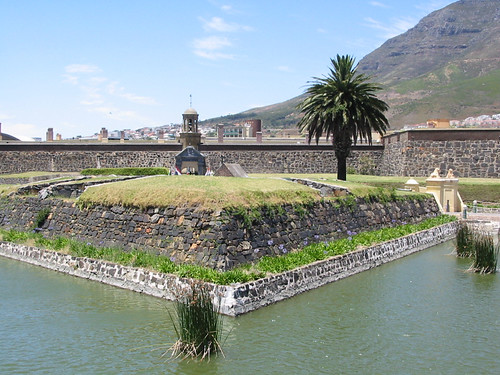
Built in the late 15th century, this pentagonal fortress is the oldest surviving building in the whole of South Africa. The castle is still the regional headquarters to the South African Defence Force, although the abundance of tourists are the only invaders they are every likely to encounter these days. Get to the castle before 10am to see the Key Ceremony between Monday and Friday, which is the equivalent to the changing of the guard at Buckingham Palace.

Whilst here, you may want to further your interest by visiting the Military Museum and also the William Fehr Collection. Fehr was an avid collector of paintings and materials which document the story of the early colonists to the country and how they changed the way people lived in the Cape. Some of the paintings are shockingly mesmerising, such as Thomas Baines’s ‘The Greatest Hunt in Africa’, which portrays the slaughter of 30,000 animals to honour the arrival of Prince Alfred.

Welcome to the Castle of Good Hope

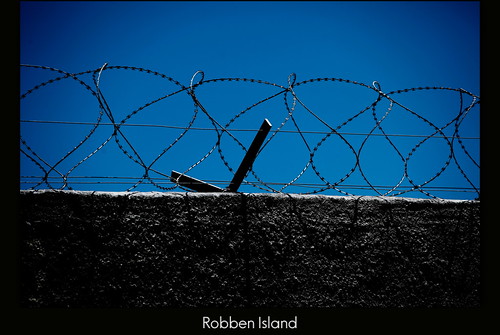
3) Robben Island

note: Tours of Robben Island are only available through booking via the Department of Arts who limit the visitors to the island at any one time due to the delicate ecosystem of the island.

Robben Island

To get to Robben Island, you take a high speed catamaran out of the harbor (which dons fantastic views of Cape Town and Table Mountain), which takes around 25 minutes. Once on the island, you take a 45 minute bus tour of the very island and prison where many political prisoners were jailed during the time of apartheid – most famously Nelson Mandela. Sights along the way include the lepers church and graveyard, Robert Sobukwe’s house where he was held under arrest for many years and a variety of antelopes, ostriches and African penguins which are all native to the island. The famous lime quarry where so many of Robben Island’s prisoners laboured is a haunting sight in its own right before you head to the prison itself. An ex-political prisoner conducts the tour of the prison and gives a first-hand account of what it was like to be jailed here, before leading you to the tiny cell where Nelson Mandela spent 18 of his 27 years at Robben Island. The tour concludes with a visit to the Robben Island Museum, which offers a detailed history of the prisoner’s personal and political struggles via artifacts and pictures.

Book your car rental South Africa with us.

Other pictures of those attractions:

Robben Island

Protia at Kirstenbosch Botanical Gardens (2)

The Castle of Good Hope, Cape Town

Tuesday, 21 June 2011

Brief History of Cape Town

Cape Town in South Africa boasts not only a wealthy trading route; it has great environmental regions to visit on safari. The region was originally founded by Bushman and the Hottentot tribe of nomadic agricultural and hunting people. The first people of the area eventually became strong cattle farmers as they established the area now known as Cape Town.

It was not until the sixteenth century that European settlers ventured deep into the Dark Continent and settled into South Africa. Cape Town first saw Antonio de Saldanha, the first European who landed in present day Table Bay. The Dutch followed over a hundred and fifty years later, and established a port at Cape Town; since it was along Europe’s East India trading route. Also, given the diamond mines in the interior of the country, the city was a jumping off point for prospectors going inland to seek their fourtune.
Photo @hhschueller on Flickr

As trade increased, the city served as a great between point for European ships traveling from the East, loaded with goods and workers. It gave them an opportunity to unload, trade, and restock their supplies for the trip back to the European Continent. The Dutch, under the guidance of Jan van Riebeeck, built a fort as security against rogues and pirates. It still stands today, and can be seen on the point, though it is currently called the Castle of Good Hope. It was not until the Dutch established a trading post and fort at the Cape that the area was officially deemed Cape Town, or: De Kaap, in Dutch.

In the nineteenth century, Great Britain and Cape Town finally merged; however, tensions ran high as the British attempted to transform the trading post into a penal colony. In the mid-nineteenth century, the citizens of the now well established Cape Town revolted against the British, and the penal colony effort failed miserably.

Today, Cape Town still has a busy harbour. The maritime aspect of the city has never faulted, despite internal and external strife. It still houses a strong shipping industry, though it took a hard hit during the 90s when political apartheid hit South Africa. But Cape Town survived and expanded its waterfront accessibility and industry once the government policy changed.

Hire you car in Cape Town and get to know one of the most breathtaking countries of the entire world. More info can be found at car rental South Africa.

Friday, 17 June 2011

Johannesburg: a brief history

Johannesburg is a city found in the northeast section of South Africa. It is a rich gold-mining region that has been said to be the heartland of the area. The discovery of gold was made in 1886, and as a result, a gold rush followed, and the town and its history began.

Johannesburg Skyline

By 1887, the population of Johannesburg had increased so that it held 10,000 gold miners. Two years later, Johannesburg became the largest town in South Africa. Half of the population were immigrants, the rest were natives – many members of the Zulu tribe. The coming years brought more and more people to the area in search of gold. With them came a more civilized community. By 1890, the city had electric lights.


The middle of the 1890s brought around 75,000 mine workers, and Johannesburg became the headquarters for that region’s mining industry. While the gold rush made Johannesburg grow quickly, the booming industry did not last long. It wasn’t long before gold became hard to find, and the boom went bust.

Later, when the Boer War broke out, thousands fled the city by train. The once hugely populated community was depleted. After the war, the mines did reopen, and that brought many people back. However, Johannesburg still struggled for peace because mine workers began to cause trouble. Strikes and quarrels swept over the city for some time.

It wasn’t until after World War II that Johannesburg was officially titled a city, which marked a new era in its history. At this time, it was taken over by a new legislation, and was able to solve many of the problems in controlling its inhabitants.

Just as mining is what made Johannesburg grow in the past, it is still one of its key industries. Other thriving businesses are the Johannesburg Stock Exchange, founded in 1887, and their steel and cement industries. Beyond them, the city also has cathedrals from the early 1900s, as well as many art galleries; so architecture buffs as well as those interested in industry can enjoy living or visiting the area.

Johannesburg is also the centre of the region’s road system. Though they do not have a subway, they do have trains; they’ve been running since the 1800s.

Do you need to hire a car in South Africa? Check out our latest offers in our car rental South Africa page.

Johannesburg